Smudg - UX Design Internship
2024

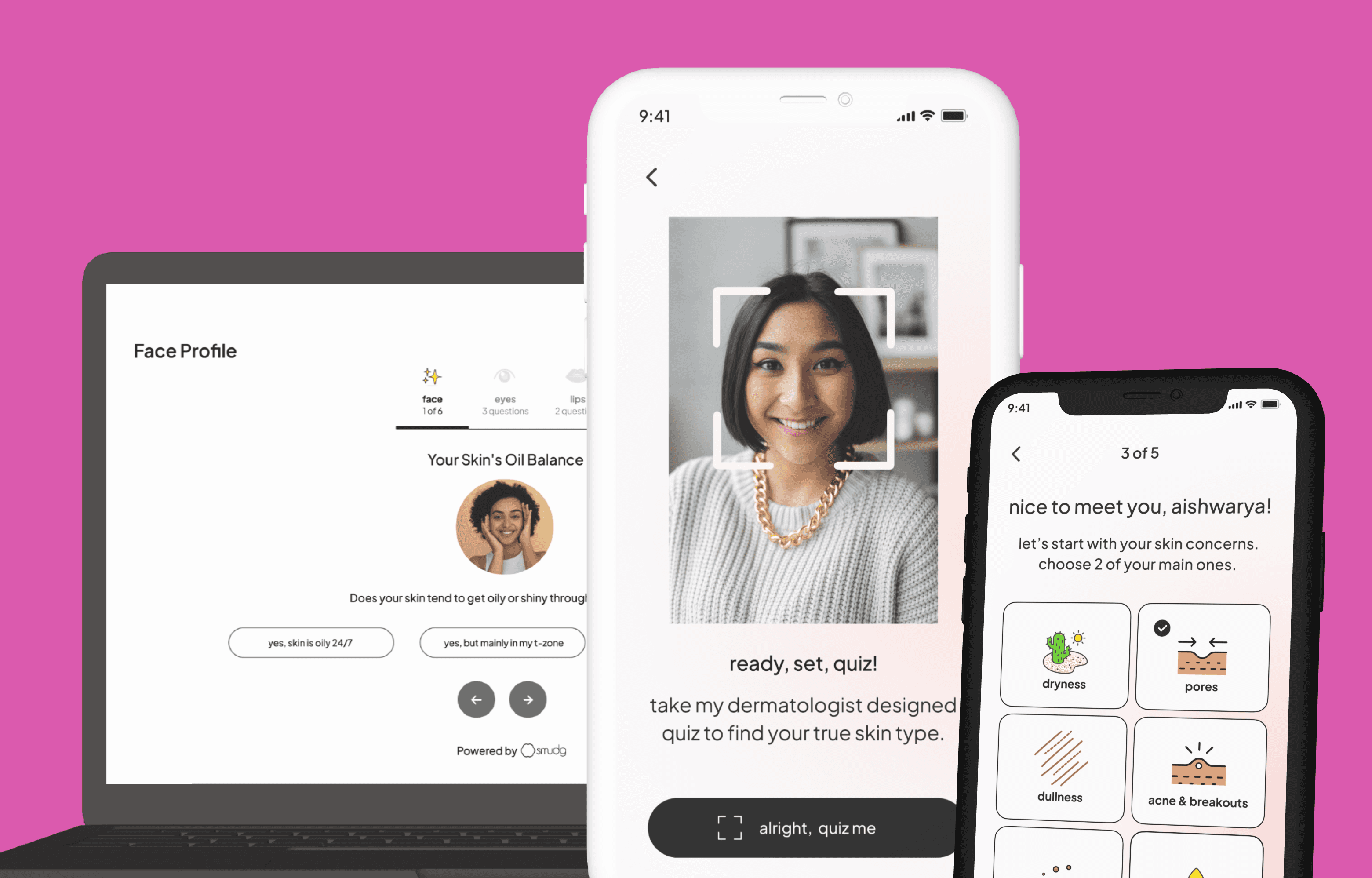
Want to skim through this case study? I got you covered.
Here's a 1 min TL;DR version.
Delivered a comprehensive redesign of Therapy Finder across all platforms, introducing a scalable design system and cohesive visual language that elevated usability and brand alignment.
D2C e-commerce ( Consumer Health & Wellness)
6 months
Product Manger
UX Designer
Engineering Team - 4 people
Marketing and Business Team
UX Design Intern
what did i do?
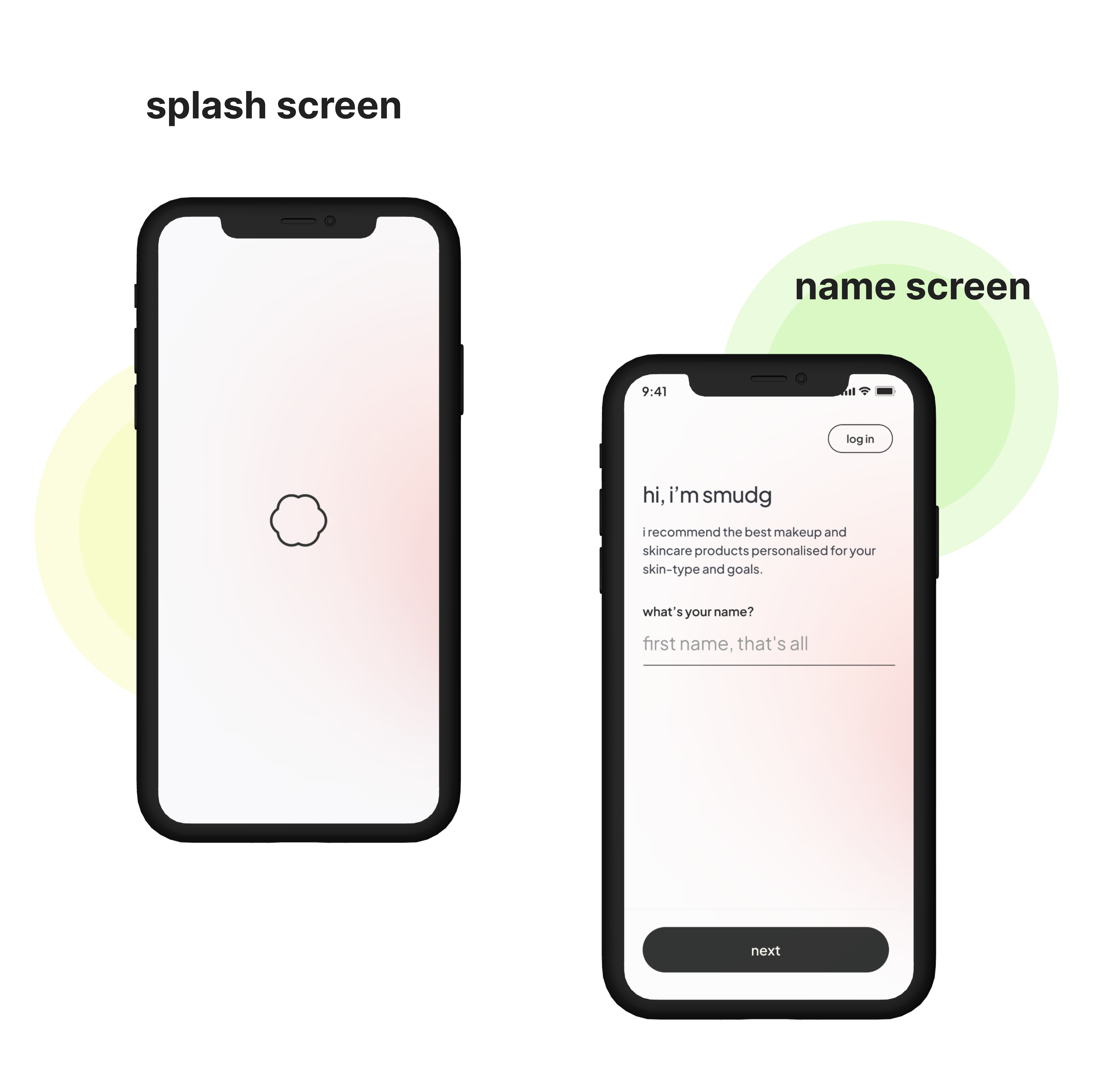
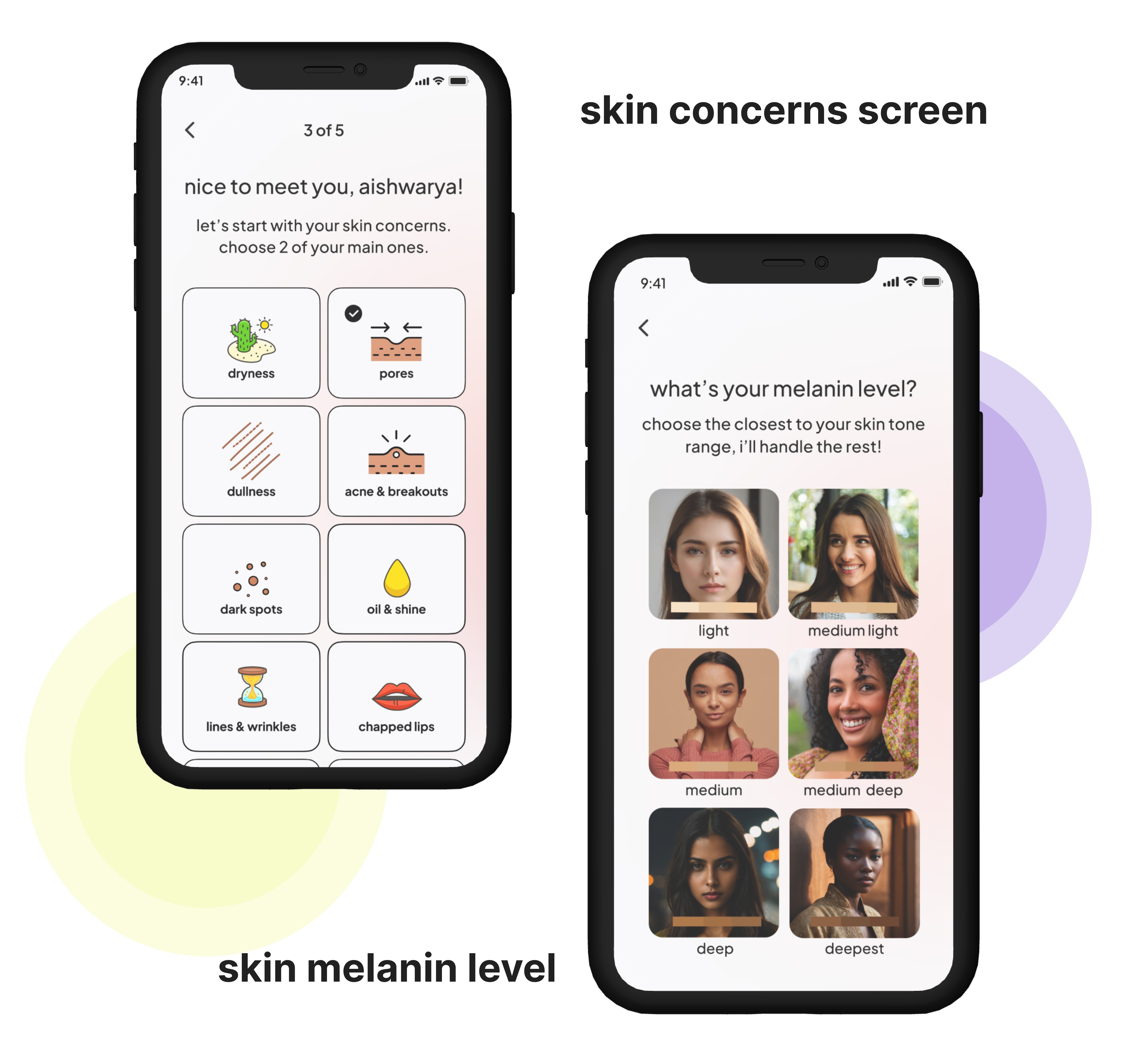
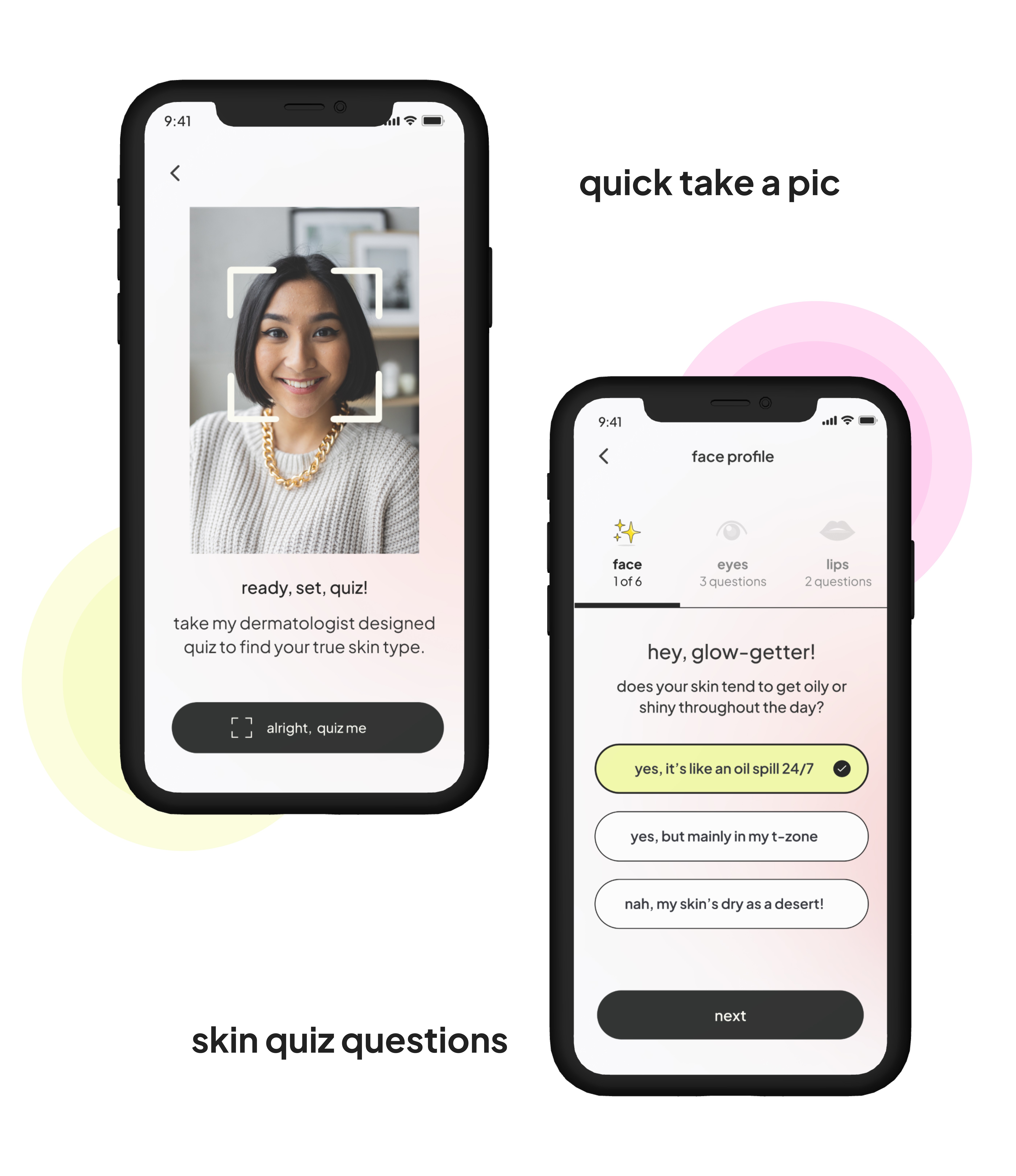
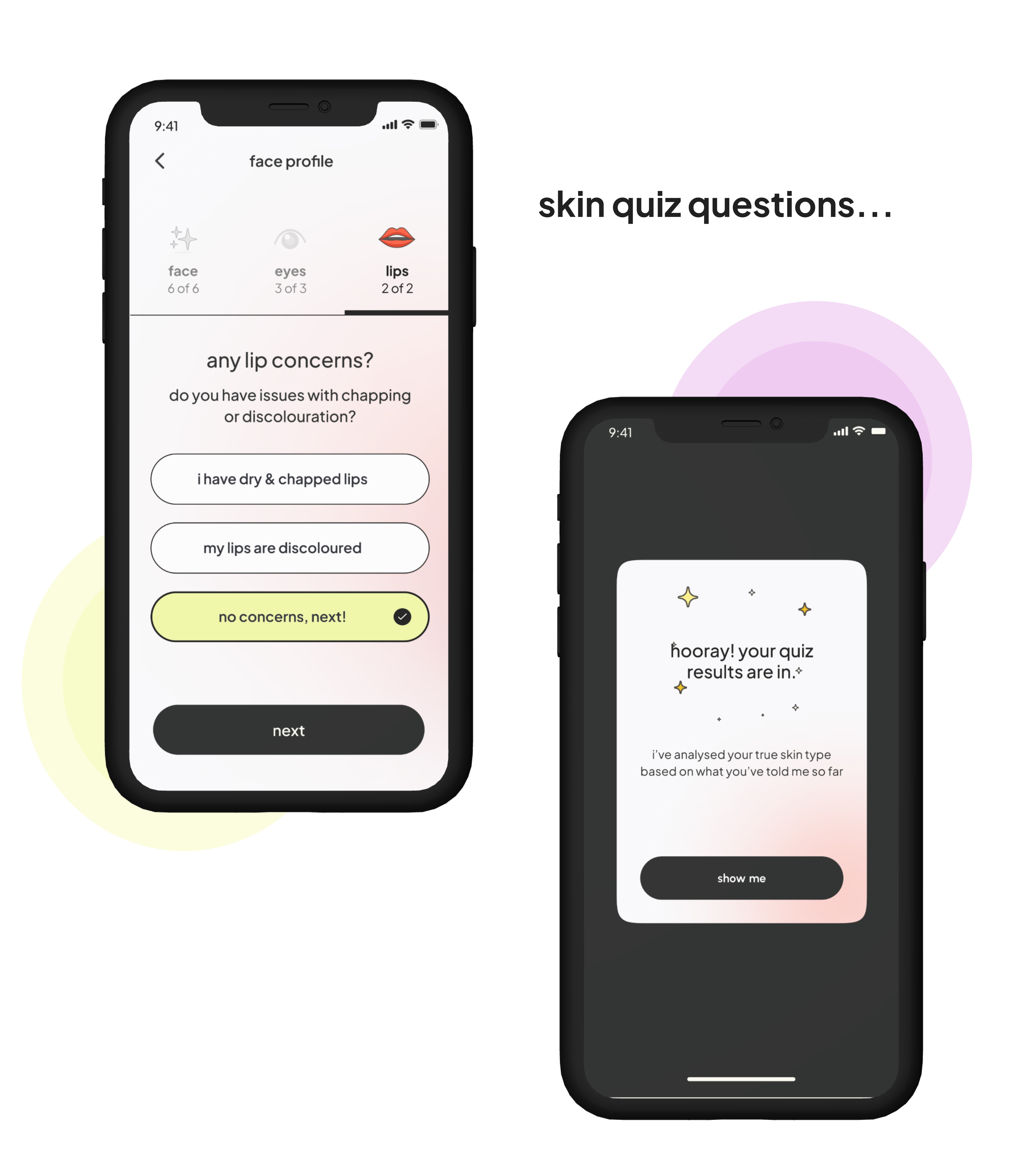
I designed and iterated a mobile + web digital platform for Smudg, including a skin-quiz, product recommendation engine, community features, visual design (high-fi screens), and IA/branding decisions.
I worked in a cross-functional team (PMs, developers, UX design) and used research (interviews, competitor analysis, feedback sessions) and agile sprints to refine the core features: personalized skin analysis, product matching, and trusted community.
why was it done?
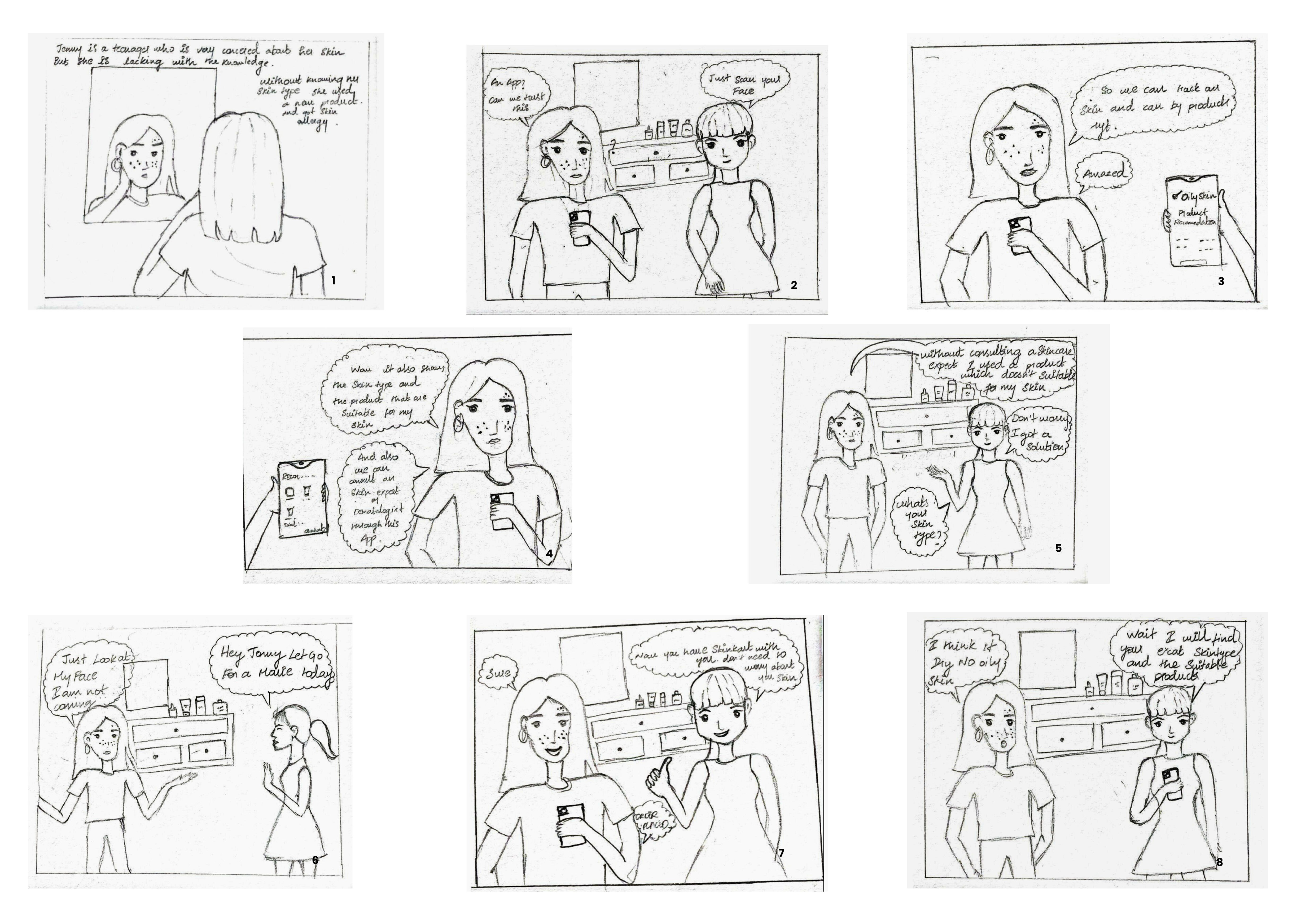
Users were overwhelmed in the beauty-market by generic products, confusing information, and lack of guidance for their specific skin concerns.
Smudg needed to cut through that noise by offering intuitive, personalized experiences that build trust and lead to higher conversions & retention.
what impact did it have?
The new quiz design increased user engagement by 40%, improved website traffic by 30%, and raised brand recognition by 50% through a clear design system and brand guidelines.
Personalized quiz palettes for partner brands also increased customer satisfaction by 25% and cross-platform engagement by 35%.
what did i learn?
I learned how important it is to align business strategy and design — how removing less-valuable features can actually increase product clarity and effectiveness.
Also reinforced the value of rapid iteration + feedback loops; seeing how even small changes in quiz detail or recommendation clarity improve user confidence & reduce friction.
What is Smudg?
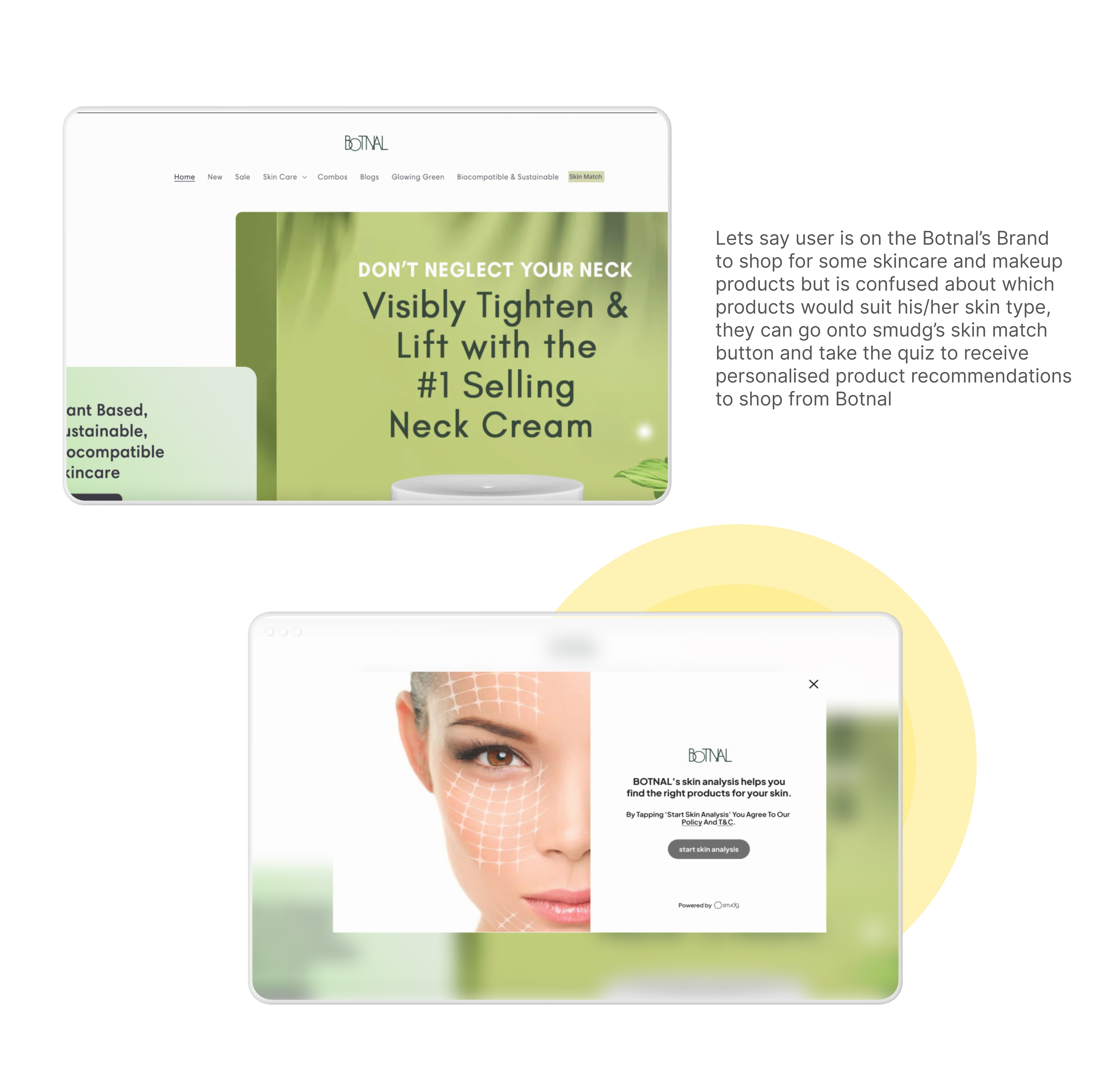
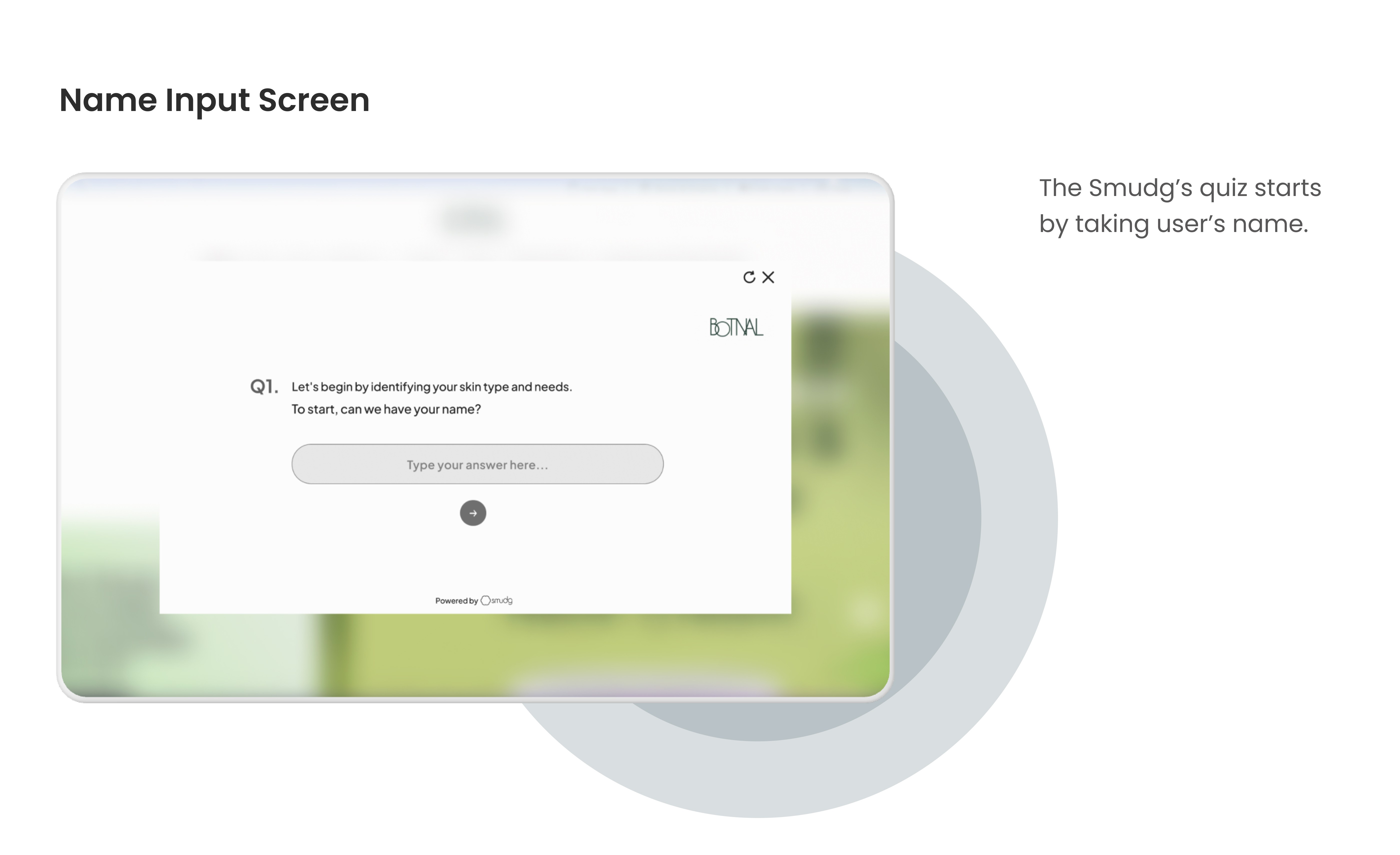
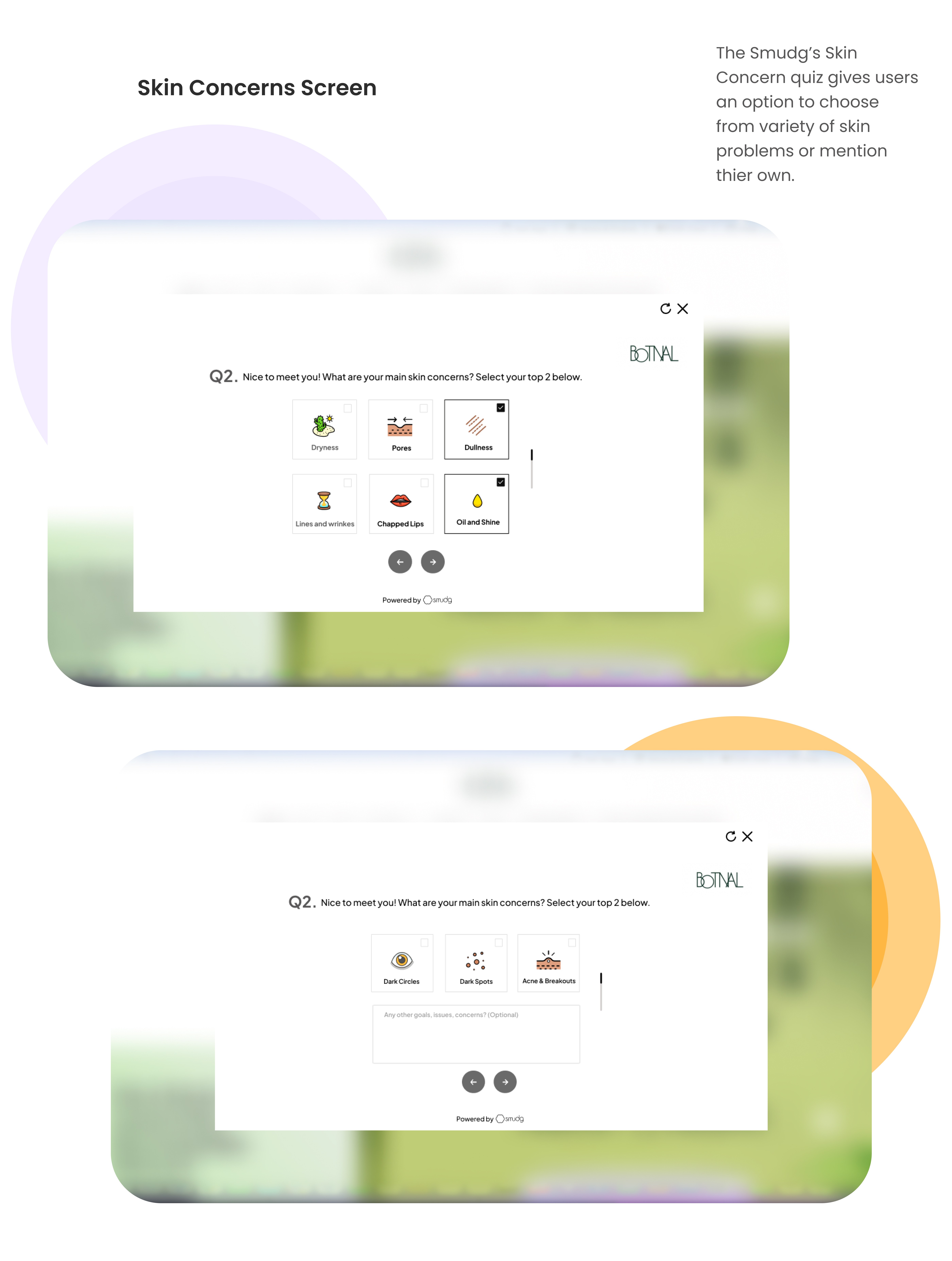
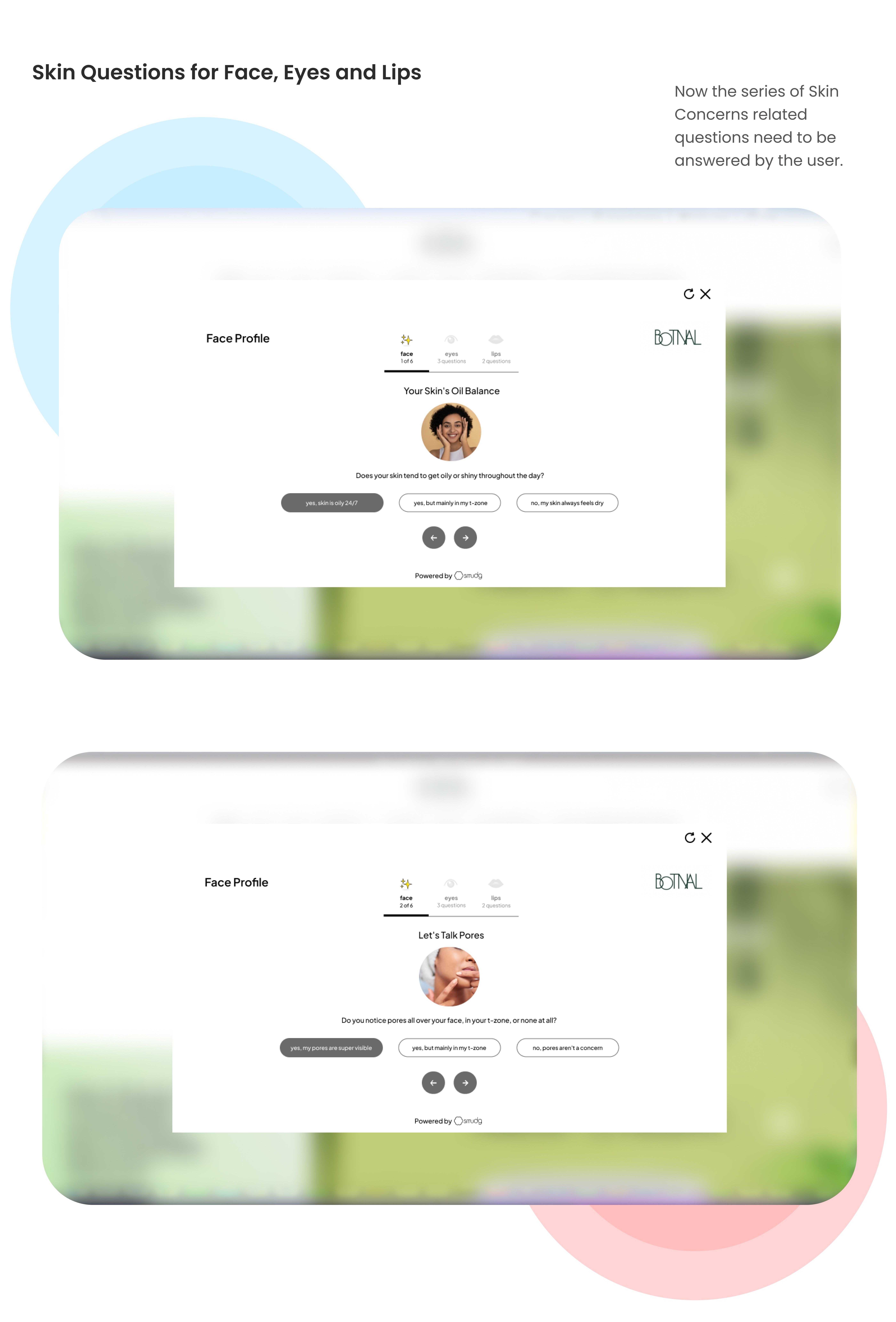
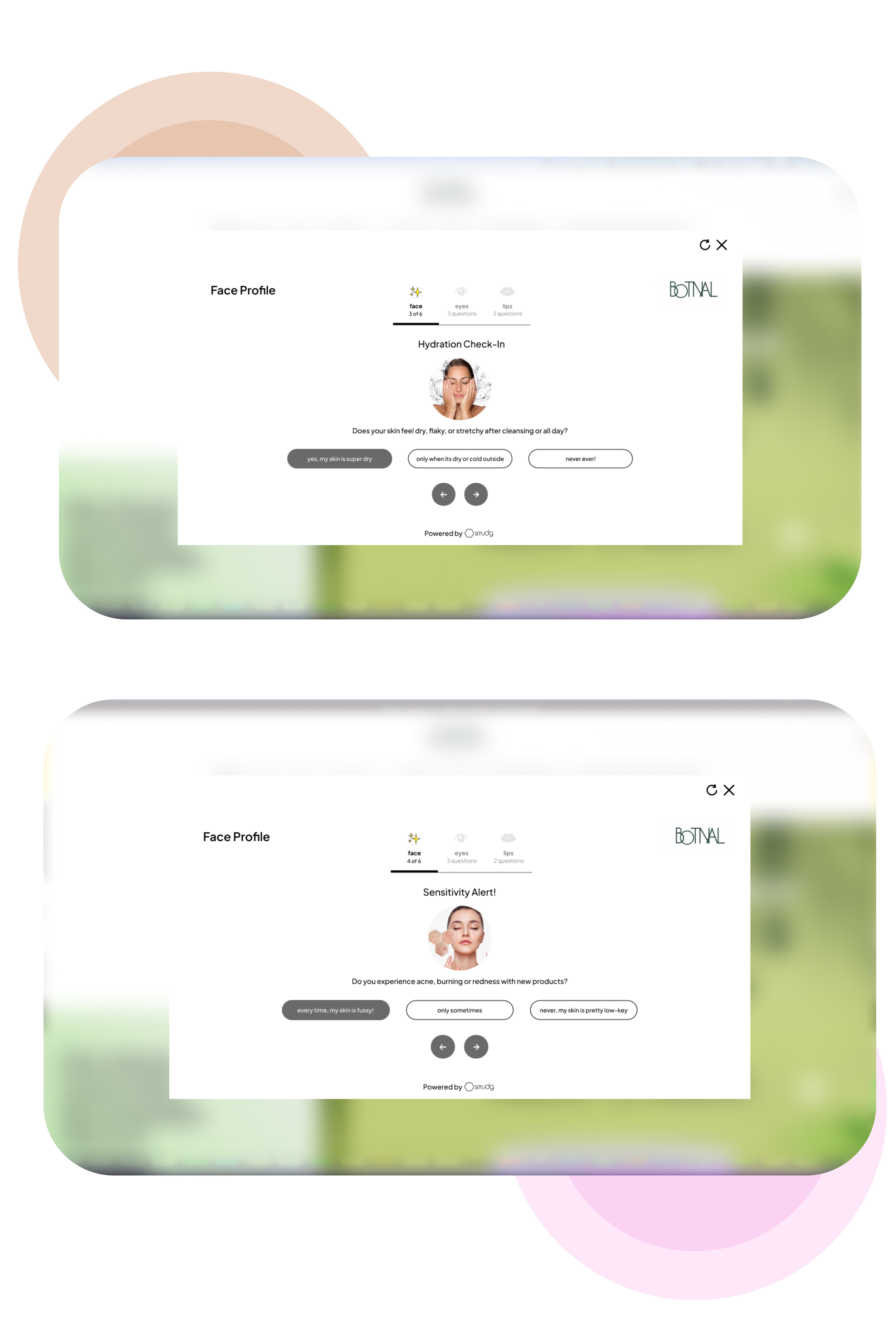
Smudg is an AI-powered skincare quiz extension that brands integrate it on their websites/apps that helps users find personalised beauty products based on their skin type.
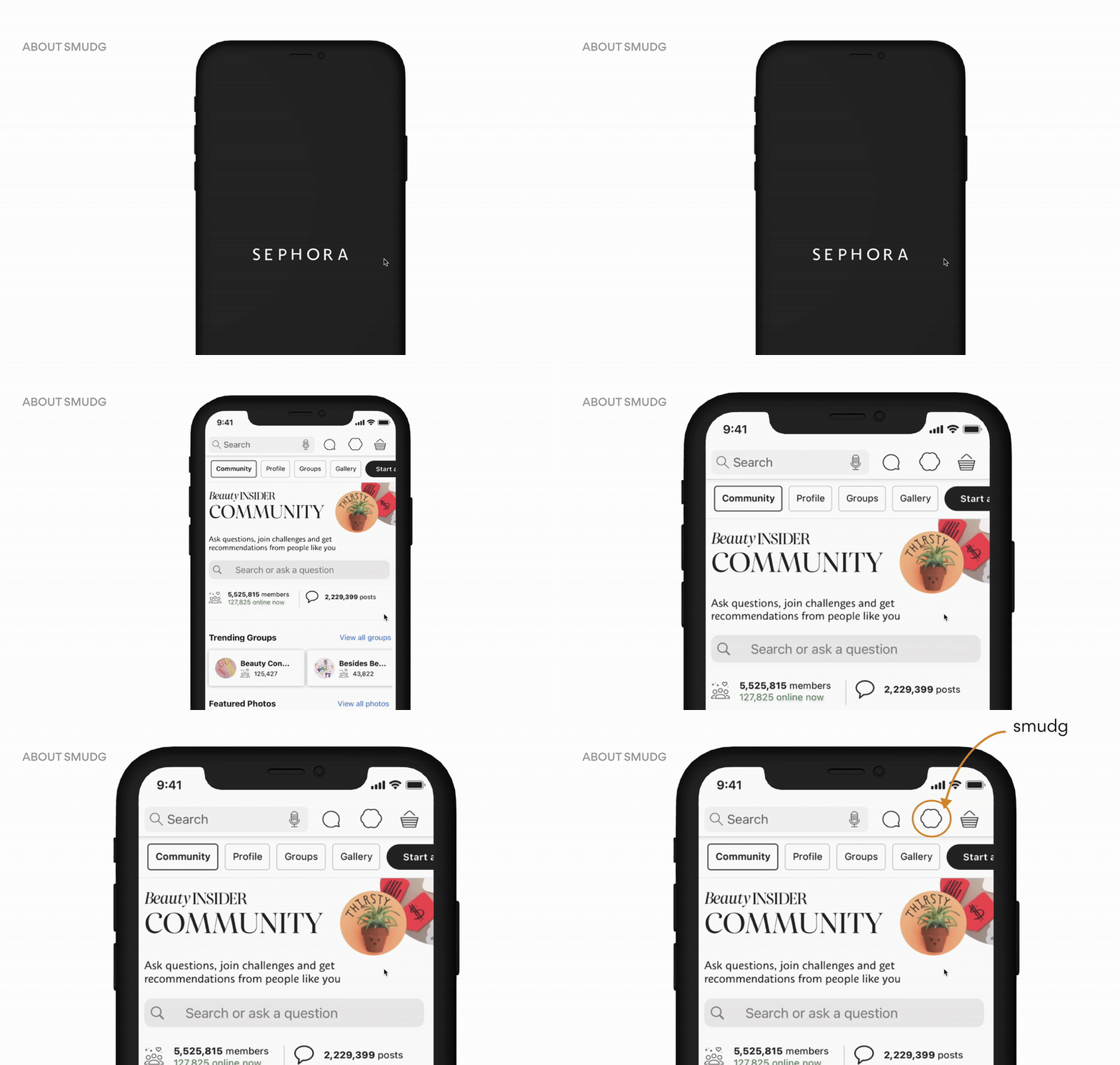
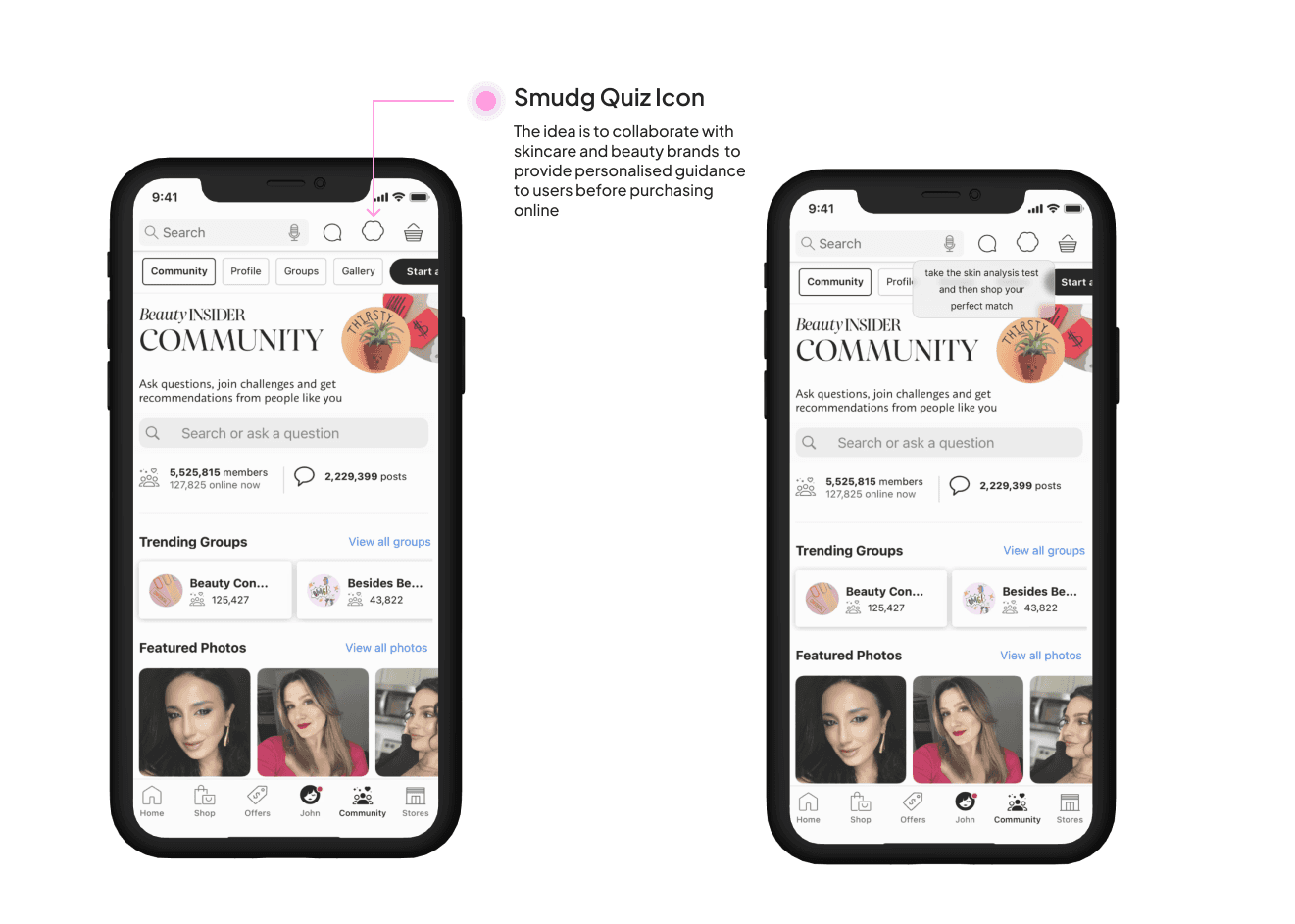
The Crux of the Challenge
Many individuals encounter significant confusion and frustration when attempting to identify their skin type and select appropriate makeup products for their specific needs through online platforms. This challenge stems from the lack of personalized guidance and reliable information available online, leading to an overwhelming and often inefficient shopping experience.
UX Challenge
We saw decline in user retention on the quiz that resulted in a drop in potential revenue for the collaborating brands and Smudg.
Pain Points
Quiz lacked effective navigation
Business Goals
• Drive conversion through personalised recommendations
Build a trusted beauty community
Increase customer retention through engagement
Create a personalized digital beauty experience
Process
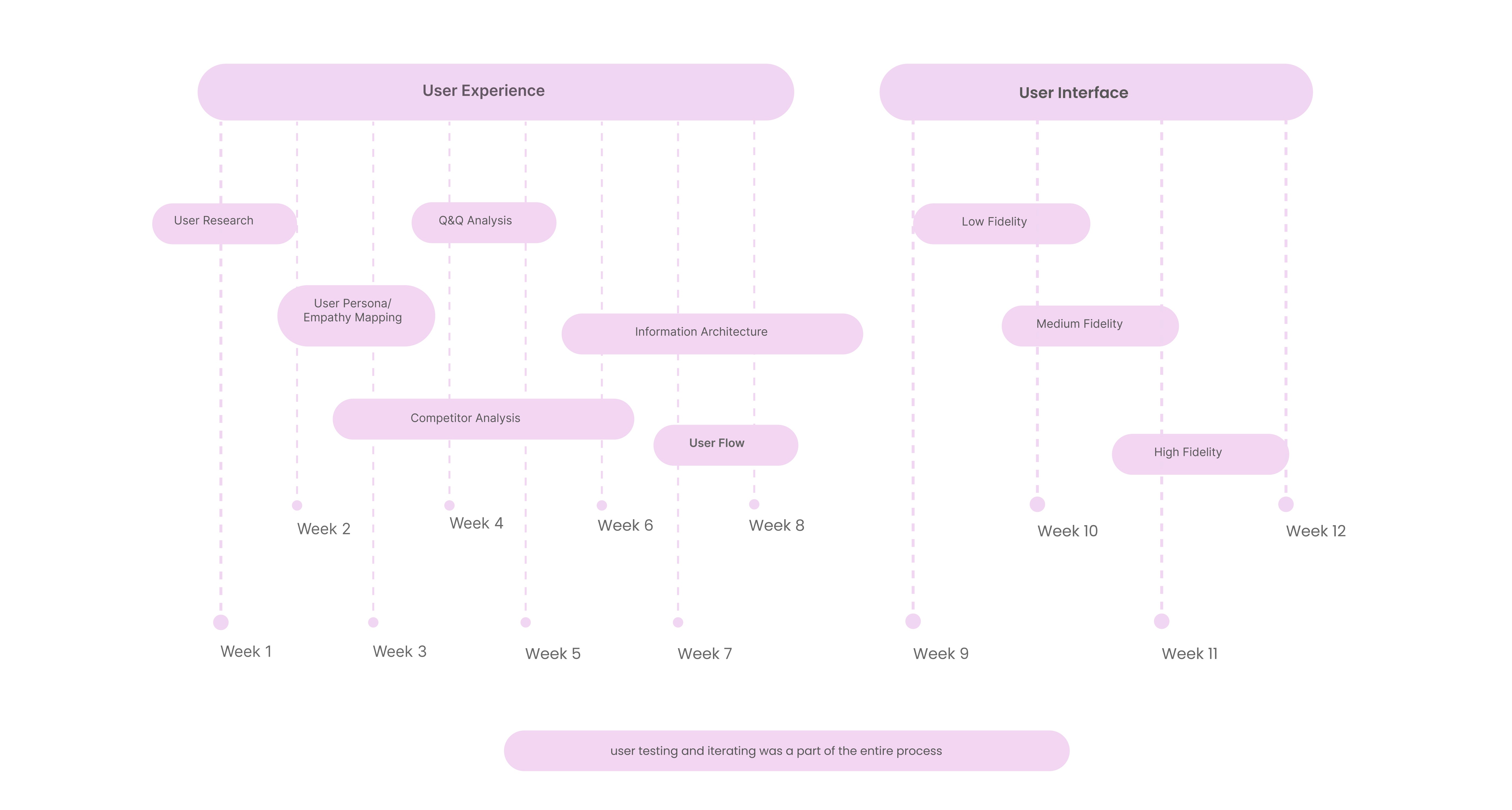
After Conducting multiple interviews, we realised..
Many individuals encounter significant confusion and frustration when attempting to identify their skin type and select appropriate makeup products for their specific needs through online platforms. According to our user research, 72% of beauty enthusiasts reported feeling overwhelmed by the abundance of product choices, while 65% admitted to randomly purchasing products based on guesswork rather than reliable recommendations.
Securing StakeHolder Buy-In
Realigning Feature Prioritization
With our research findings as a foundation, we embarked on a comprehensive overhaul of Smudg's digital experience. The objective was to amplify the value of the three core features identified by users - personalized skin analysis, customized product recommendations, and a trusted community platform - while strategically removing underperforming elements that did not enhance the overall experience. This required us to pivot away from certain aspects of the original design, reshaping the product to better align with user needs.
Design as Business Strategy
This shift was far more than a design exercise—it represented a significant business decision. We meticulously prepared a stakeholder pitch, showcasing our data-driven insights and the proposed reconfiguration to Smudg's leadership team and cross-functional experts. The core message was clear: by narrowing our focus to fewer, more impactful features, we could both enhance the user experience and open up new avenues for monetization, driving long-term product profitability.
Cross-Functional Alignment
Gaining stakeholder buy-in was a critical milestone in this process. By securing alignment across all teams - design, engineering, marketing, and product - we were able to confidently proceed with our strategic redesign, ensuring that every decision was underpinned by both user-centric design principles and business viability. This alignment allowed us to move forward cohesively, with all teams working toward a unified goal for the Smudg digital experience.
Agile Methodology
Why agile you might ask?
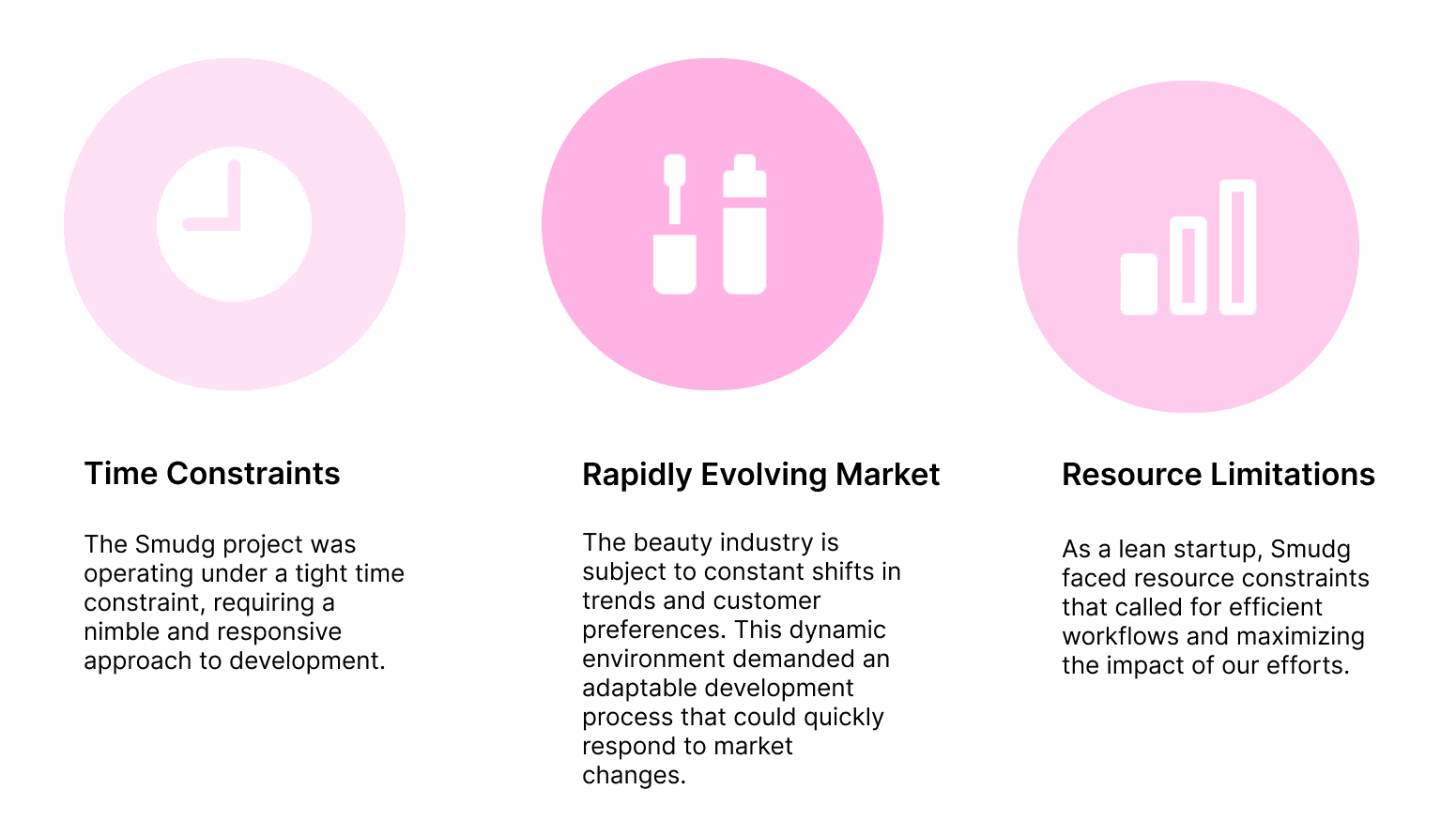
Our team was structured to enable seamless collaboration between designers, engineers, and product managers. This fostered a shared understanding of goals and continuous feedback loops.
Responsive Adaptation
The Agile framework not only allowed us to maintain progress toward our objectives but also offered the flexibility to swiftly address unexpected challenges. This adaptive process ensured that we could refine our product at a rapid pace, aligning both user needs and business goals within the constraints of our beta testing phase.
Iterative Refinement
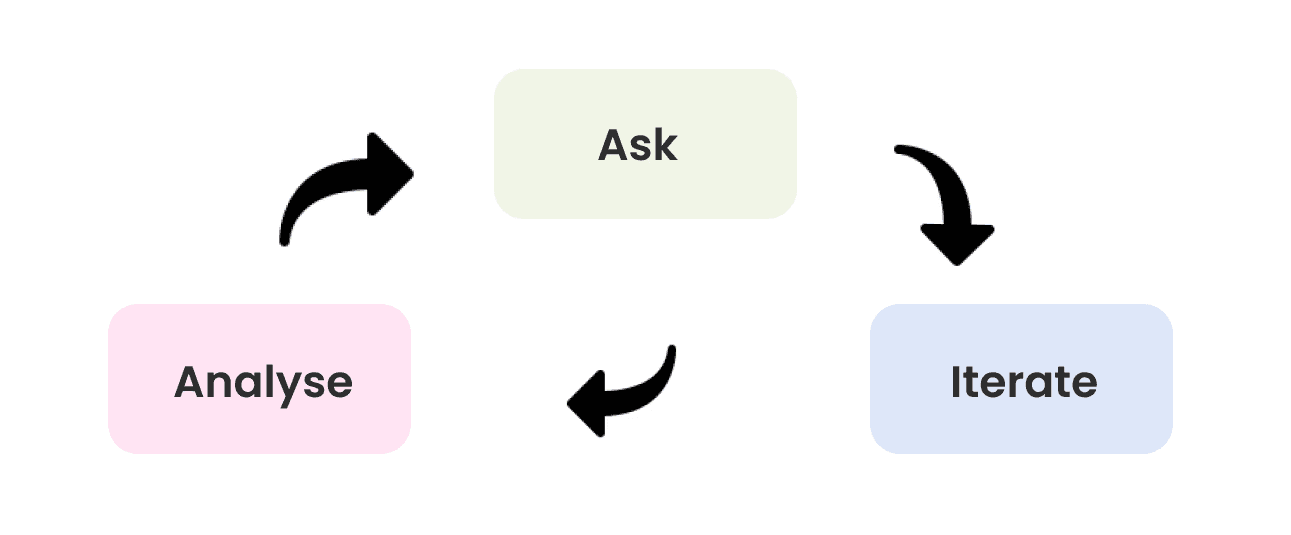
Throughout a three-week sprint, we concentrated on refining the three core features identified as most valuable. Each iteration was followed by targeted feedback sessions, capturing both praise and areas for enhancement. By embedding a continuous feedback loop into our process, we incrementally improved the product with each version, ensuring that every iteration surpassed the last.
Competitor Analysis
Key Takeaways
As the UX and UI designer for the Smudg app and web quiz, this project has been a valuable learning experience for me. I've gained insights into the intricate balance between user needs, business objectives, and technical feasibility.
Throughout the development of the Smudg app and web quiz, I've learned the importance of empathy-driven design and the power of collaboration in creating user-centered experiences
Moving forward, I aim to further enhance my skills in user research and testing methodologies to gain deeper insights into user behaviors and preferences. Additionally, I will continue to stay updated on emerging design trends and technologies to ensure that the Smudg app remains innovative and competitive in the ever-evolving beauty industry.
By fostering a culture of continuous learning and improvement, both personally and for the app, I am committed to delivering an exceptional user experience that empowers individuals to confidently navigate their beauty routines online.